If you have ever stood in front of a closet full of clothes and felt like you had nothing to wear, you are not alone. Most people wear about 20% of their wardrobe 80% of the time, leaving the rest to gather dust. A capsule wardrobe solves this problem by simplifying your closet into a curated collection of versatile, high-quality pieces that you love to wear. Learning how to build a capsule wardrobe is not about stripping your life down to a boring uniform. It is about making intentional choices so that every item in your closet earns its place and works beautifully with everything else.
The concept of a capsule wardrobe has been around since the 1970s, but it has gained renewed popularity as more people embrace minimalism, sustainability, and mindful consumption. At its core, a capsule wardrobe is a small, thoughtfully edited collection of clothing that can be mixed and matched to create a wide variety of outfits. Whether you are a busy professional, a student, a parent, or someone who simply wants to reduce decision fatigue, a capsule wardrobe can transform the way you get dressed. In this comprehensive guide, we will walk you through the exact steps to build a capsule wardrobe that fits your lifestyle, body, budget, and personal style.
Building a capsule wardrobe is a process, not a one-time event. It requires honest self-reflection, a willingness to let go of items that no longer serve you, and a shift in how you approach shopping. By the end of this article, you will have a clear, actionable plan to create a wardrobe that feels cohesive, polished, and effortless. No more overflowing drawers, no more “nothing to wear” moments, and no more impulse purchases that hang in your closet with the tags still attached. Let’s dive into the essential steps for building a capsule wardrobe that works for real life.
What Is a Capsule Wardrobe?
A capsule wardrobe is a curated collection of clothing and accessories that are intentionally selected to be versatile, timeless, and easy to mix and match. Typically, a capsule wardrobe contains anywhere from 25 to 50 pieces, including tops, bottoms, dresses, outerwear, and shoes. The exact number is not as important as the principle behind it: every item should coordinate with the rest of the collection, so you can create dozens of outfits from a relatively small number of pieces.
The term was coined by Susie Faux, a London boutique owner, in the 1970s, and later popularized by designer Donna Karan with her “Seven Easy Pieces” collection. The idea is that by focusing on quality over quantity, you can reduce clutter, save time, and always look put together. A capsule wardrobe does not have to be minimalist in a stark or boring way. It can be colorful, playful, and full of personality, as long as the pieces work together and reflect your authentic style.
One of the biggest misconceptions about capsule wardrobes is that they require you to get rid of everything you own and start from scratch. In reality, you probably already have the foundation of a great capsule wardrobe in your closet. The goal is not to buy a whole new wardrobe, but to identify the pieces you already love and wear, fill in the gaps, and create a system that makes getting dressed easier and more enjoyable.
Why Build a Capsule Wardrobe?
There are many compelling reasons to build a capsule wardrobe. First and foremost, it saves you time. When every item in your closet coordinates, you can quickly pull together an outfit without spending twenty minutes trying things on and changing your mind. This is especially valuable on busy mornings when you need to get out the door quickly. A capsule wardrobe also reduces decision fatigue, which is the mental exhaustion that comes from making too many choices. By limiting your options to items you genuinely love and that fit well, you free up mental energy for more important decisions.
Another major benefit is financial. When you stop buying trendy, cheap items that fall apart or go out of style after one season, you can invest in higher-quality pieces that last for years. A capsule wardrobe encourages mindful spending and helps you avoid the cycle of fast fashion. Instead of buying five mediocre items on sale, you learn to save up for one well-made piece that will serve you for a long time. Over time, this approach can actually save you money, even though the upfront cost of quality pieces may be higher.
Building a capsule wardrobe is also better for the environment. The fashion industry is one of the largest polluters in the world, and the rise of fast fashion has led to an enormous amount of textile waste. By buying less and choosing better, you reduce your environmental footprint and support more sustainable practices. Finally, a capsule wardrobe helps you develop a stronger sense of personal style. When you are not distracted by trends and clutter, you can focus on what truly makes you feel confident and comfortable.
Step 1: Define Your Personal Style and Lifestyle
Before you start pulling clothes out of your closet, take some time to think about your personal style and your daily life. A capsule wardrobe should be built around what you actually do, not what you wish you did. If you work in a corporate office, your capsule will look very different from someone who works from home or spends most of their time outdoors. Be honest with yourself about your routine, your climate, and the activities that fill your week.
To define your personal style, consider creating a mood board on Pinterest or saving images from magazines and blogs. Look for common themes in the outfits you are drawn to. Do you love neutral tones and clean lines, or are you attracted to bold colors and patterns? Are you more comfortable in tailored pieces, or do you prefer relaxed, oversized silhouettes? Pay attention to the styles you already wear most often and the pieces that get the most compliments. Your capsule wardrobe should feel like an elevated version of your current favorite outfits, not a complete departure from who you are.
Another helpful exercise is to write down three words that describe how you want to feel in your clothes. For example, you might choose words like “polished,” “comfortable,” and “confident.” Keep these words in mind as you edit your wardrobe and make new purchases. Every item in your capsule should align with at least one of these words. This simple filter can help you stay focused and avoid buying things that don’t truly serve you.
Step 2: Audit Your Current Wardrobe
The next step is to take a thorough inventory of what you already own. This can feel overwhelming, but it is an essential part of the process. Start by removing everything from your closet, drawers, and storage bins. Yes, everything. Lay it all out on your bed or a clean floor so you can see the full picture. Then, sort your clothing into three piles: keep, maybe, and donate or sell.
As you sort, ask yourself a series of honest questions about each item. Have I worn this in the last year? Does it fit me well right now? Does it flatter my body and make me feel good? Is it in good condition, or does it need repairs? Does it match my current lifestyle and personal style? If an item doesn’t meet these criteria, it is probably time to let it go. Be ruthless, but also be realistic. It is okay to keep a few sentimental or special occasion pieces, but they should not make up the bulk of your wardrobe.
For the “maybe” pile, consider putting those items in a box and storing them out of sight for a few weeks. If you don’t reach for them during that time, you can confidently donate or sell them. This is a great way to test whether you truly miss an item. Many people find that once the item is out of sight, they forget about it entirely. The goal of this audit is not to achieve a specific number, but to create a wardrobe full of pieces you actually love and use.
Step 3: Choose a Cohesive Color Palette
One of the most important secrets to a successful capsule wardrobe is a cohesive color palette. When your clothing colors work well together, almost every top can be paired with almost every bottom, dramatically increasing the number of outfits you can create. Start by choosing a base of neutral colors, such as black, white, beige, navy, gray, or cream. These neutrals will form the foundation of your capsule because they are easy to mix and match and never go out of style.
Once you have your neutrals, add one or two accent colors that reflect your personality and complement your skin tone. Accent colors can be anything from soft pastels to rich jewel tones to earthy shades like olive green or rust. The key is to limit your palette to a few colors that you love and that coordinate well together. For example, a capsule might consist of black, white, camel, and denim blue as the base, with olive green and burgundy as accent colors.
When shopping for new pieces, stick to your chosen palette as much as possible. This will help you avoid impulse purchases that don’t match anything else in your closet. It also makes packing for trips much easier, since you can create multiple outfits from just a few items. A cohesive color palette is the glue that holds your capsule wardrobe together and is one of the most effective tools for creating a polished, put-together look.
Step 4: Select Your Foundation Pieces
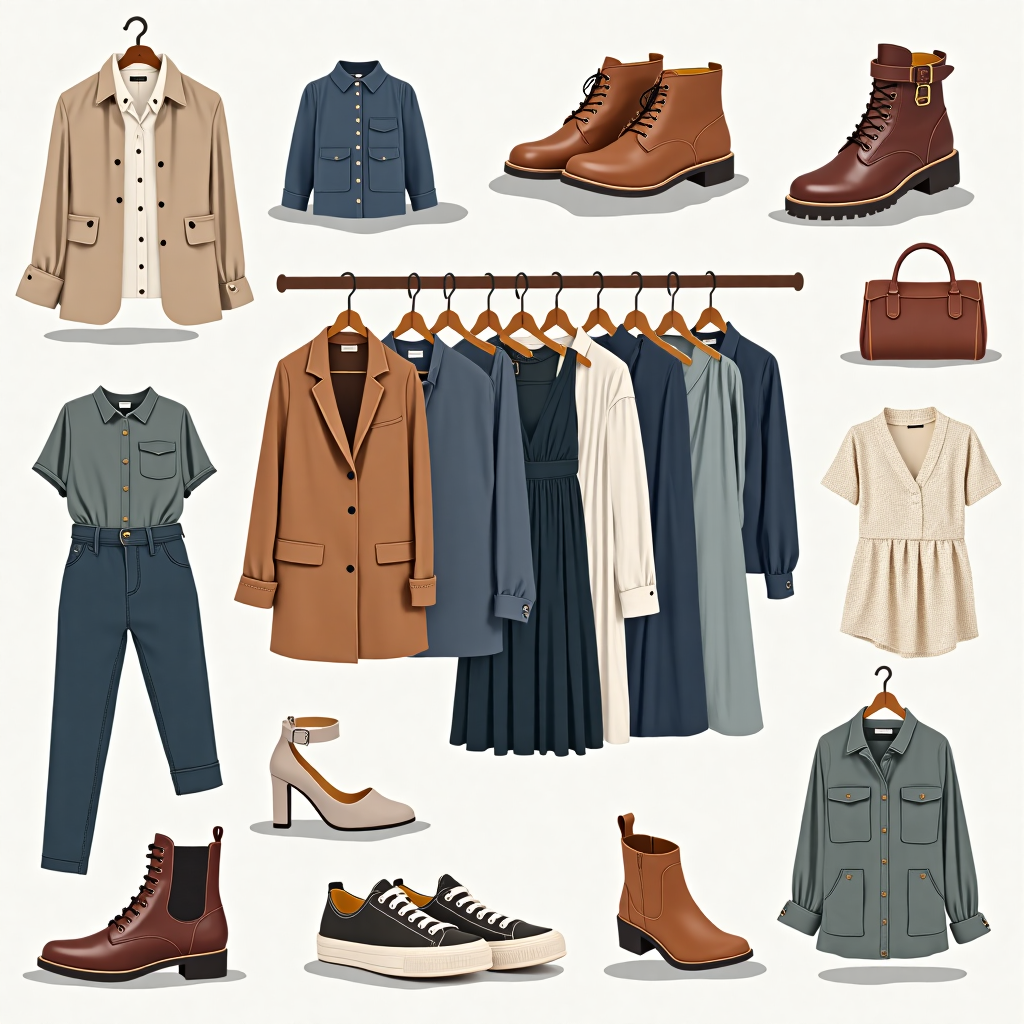
Your foundation pieces are the workhorses of your capsule wardrobe. These are the items you will wear most often, so they should be high quality, well-fitting, and versatile. Think of them as the building blocks of your outfits. Common foundation pieces include a great pair of jeans, tailored trousers, a classic white shirt, a black blazer, a neutral sweater, and a versatile dress or two.
When selecting your foundation pieces, prioritize fit and fabric. A well-fitting pair of jeans can be dressed up or down and will look better than three pairs of ill-fitting ones. Look for high-quality natural fabrics like cotton, wool, linen, and silk, which tend to last longer and feel better against the skin. Pay attention to the details, such as stitching, buttons, and zippers, and avoid items that feel flimsy or thin. Remember, the goal is quality over quantity.
Your foundation pieces should also be appropriate for your lifestyle. If you need to dress business casual for work, include tailored trousers and button-down shirts. If you are a stay-at-home parent, focus on comfortable, washable pieces like quality t-shirts, jeans, and easy layers. The number of foundation pieces will vary depending on your needs, but a good starting point is around 10 to 15 items. These pieces will be the backbone of your capsule and should be the first thing you reach for when getting dressed.
Step 5: Add Layers and Versatile Accents
Once you have your foundation pieces, it’s time to add layers and accents that bring depth and variety to your outfits. Layers include items like cardigans, denim jackets, blazers, trench coats, and lightweight sweaters. These pieces allow you to transition your wardrobe between seasons and create new looks by simply adding or removing a layer. A simple white t-shirt and jeans can look completely different with a tailored blazer versus a cozy cardigan.
Versatile accents include pieces that add visual interest without overpowering your capsule. This could be a striped shirt, a floral blouse, a patterned scarf, or a statement necklace. These items should still coordinate with your color palette, but they can introduce pattern or texture. The key is to keep the majority of your wardrobe in solid, neutral colors and use accents sparingly. This ensures that even your accent pieces can mix and match with the rest of your collection.
When choosing layers and accents, think about how they will work with your foundation pieces. A denim jacket should look good over most of your tops and dresses. A cardigan should pair well with both your jeans and your trousers. This intentional approach to layering is what makes a capsule wardrobe so powerful. You can create a variety of outfits from a small number of pieces because everything is designed to work together.
Step 6: Build a Seasonal Capsule Strategy
Many people find it helpful to divide their capsule wardrobe by season. Depending on where you live, you may need a completely different set of clothes for summer than for winter. Instead of trying to create one year-round capsule, consider building two or three seasonal capsules that you rotate throughout the year. This allows you to keep your closet manageable while still being prepared for changing weather.
At the start of each season, review your wardrobe and swap out items that are no longer appropriate. Store off-season clothing in bins or under-the-bed storage so it doesn’t clutter your closet. As you swap, take note of any gaps. For example, if winter is approaching and you realize you have no warm coats, that becomes a priority on your shopping list. By planning ahead, you can take advantage of end-of-season sales and avoid last-minute panic shopping.
A seasonal capsule strategy also keeps your wardrobe feeling fresh. When you pack away your summer clothes in the fall, pulling them out again in the spring can feel like getting a whole new wardrobe. This rotation helps you appreciate what you own and reduces the urge to buy new things simply out of boredom. It is a simple but effective way to make your capsule wardrobe sustainable over the long term.
Step 7: Shop Mindfully and Fill the Gaps
Once you have edited your closet and identified your foundation pieces and layers, you may discover some gaps. Maybe you need a pair of black ankle boots, a white button-down shirt, or a warm winter coat. Instead of rushing out to buy everything at once, make a shopping list and prioritize the items that will have the biggest impact on your wardrobe. This is where mindful shopping comes in.
Before making a purchase, ask yourself whether the item fits your color palette, works with at least three other pieces in your capsule, and aligns with your personal style words. Check the fabric content and construction to ensure it is high quality. Consider the cost per wear: an expensive cashmere sweater that you wear twice a week for years is actually a better investment than a cheap sweater that pills after three washes. When possible, try items on in person, or order from retailers with good return policies.
It is also helpful to avoid impulse purchases by implementing a waiting period. If you find something you love but didn’t plan to buy, wait 24 to 48 hours before purchasing. This gives you time to consider whether you truly need it or whether it just feels exciting in the moment. Mindful shopping is a skill that takes practice, but it is essential for maintaining a capsule wardrobe. Over time, you will become more selective and confident in your choices.
Step 8: Maintain and Rotate Your Capsule
Building a capsule wardrobe is not a one-and-done task. To keep it working, you need to maintain it regularly. At the beginning of each season, do a quick review of your capsule. Remove items that are worn out, no longer fit, or don’t align with your current style. Repair pieces that need minor fixes, and launder or dry clean items according to their care labels. A well-maintained wardrobe lasts longer and looks better.
Rotating your capsule also allows you to experiment and refine your style over time. You might discover that you prefer certain silhouettes or that a particular color doesn’t flatter you as much as you thought. That’s okay. Your capsule should evolve with you. The key is to make small, thoughtful adjustments rather than overhauling everything at once. This keeps your wardrobe fresh while preserving the cohesive structure you have built.
Finally, remember that a capsule wardrobe is a tool, not a set of rigid rules. If you love a piece that doesn’t perfectly fit your palette, but you wear it all the time and it makes you happy, keep it. The ultimate goal is to create a closet that makes getting dressed easier, not to achieve some kind of minimalist perfection. Flexibility and self-awareness are just as important as structure. With regular maintenance, your capsule wardrobe will continue to serve you for years to come.
Common Mistakes to Avoid When Building a Capsule Wardrobe
As you begin your capsule wardrobe journey, it helps to be aware of some common pitfalls. One of the biggest mistakes is trying to overhaul your entire wardrobe in one weekend. This can lead to burnout and rash decisions. Instead, take your time and build your capsule gradually. Start with a small core of your favorite pieces and add to it slowly as you identify what you need.
Another common mistake is choosing style over comfort. A capsule wardrobe only works if you actually want to wear the clothes in it. If you buy a pair of beautiful but painful heels, they will sit in your closet unworn. Prioritize pieces that feel good to wear and suit your daily activities. Similarly, don’t be afraid to repeat outfits. The beauty of a capsule wardrobe is that since all your pieces work together, you can wear the same items in different combinations without anyone noticing.
Lastly, avoid the trap of thinking you need to buy an entirely new wardrobe to start. Many people already own the foundation of a great capsule. Focus on working with what you have first, and only buy new pieces when you have a clear gap to fill. This will save you money and help you develop a more sustainable approach to fashion. Building a capsule wardrobe is a journey of learning what works for you, and mistakes are simply part of the process.
Final Thoughts on Building a Capsule Wardrobe
Building a capsule wardrobe is one of the most effective ways to simplify your life, save money, and elevate your personal style. By focusing on quality over quantity, choosing a cohesive color palette, and selecting versatile pieces that work together, you can create a closet that makes getting dressed a pleasure rather than a chore. The process takes time and honest self-reflection, but the rewards are well worth the effort.
Remember that a capsule wardrobe is not about following strict rules or depriving yourself. It is about making intentional choices that reflect who you are and how you live. Start small, be patient with yourself, and allow your wardrobe to evolve as your life changes. Whether you end up with 30 pieces or 60, the key is that every item earns its place and brings you joy.
Now that you know how to build a capsule wardrobe, the next step is to take action. Open your closet, start sorting, and begin creating a wardrobe that works for you. With each intentional choice, you will move closer to a simpler, more stylish, and more sustainable way of dressing. Your future self will thank you every morning when getting dressed is the easiest part of your day.